
Betatron X-ray Systems for Industrial NDT
RF Sales supplies Betatron systems for various NDT applications where high-energy X-ray inspection is required. Betatron equipment is commonly used for industrial radiography of thick or dense components that may be difficult to inspect with conventional X-ray equipment.
A Betatron X-ray machine produces a directional, high-energy X-ray beam that can be used to inspect welds, castings, forgings, pressure vessels and other industrial components without cutting or damaging the test piece. Different Betatron models are available to suit varying material thicknesses, inspection conditions and energy requirements.
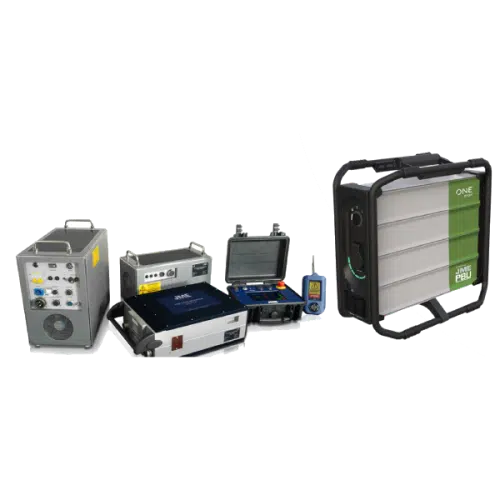
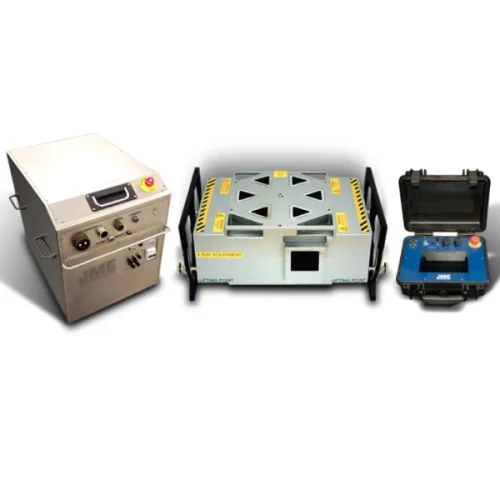
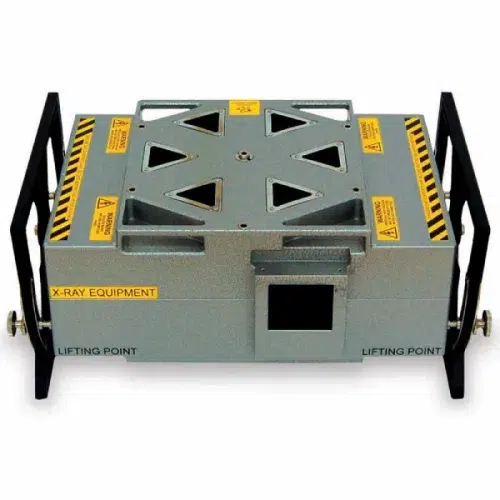
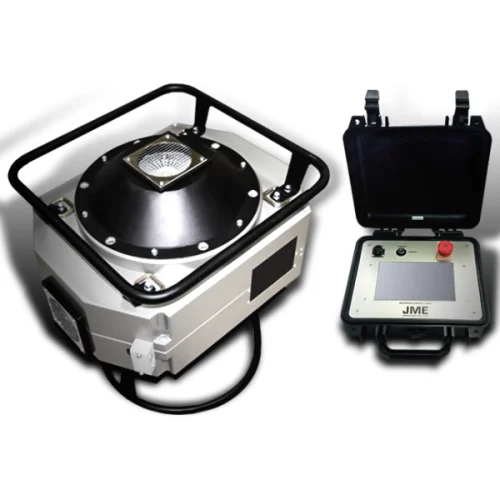
What Is a Betatron?
A Betatron is a circular electron accelerator used to generate high-energy X-rays for industrial radiographic testing. Electrons are accelerated inside the unit and directed towards a target, producing an X-ray beam that passes through the component being inspected.
Because Betatron systems can produce higher-energy X-rays than many conventional industrial X-ray units, they are suited to inspecting thicker steel, concrete and other dense materials. This makes them useful for NDT applications where greater penetration is required.
Betatron Systems for Various NDT Applications
Betatron equipment is used in industrial environments where internal defects or changes need to be examined without damaging the component.
Typical applications can include:
- Weld inspection
- Casting inspection
- Forgings
- Pressure vessels
- Industrial valves
- Heavy-wall pipework
- Structural components
- Reinforced concrete
- Large, fabricated components
- Manufacturing quality control
Why Use a Betatron X-Ray Machine for Industrial Radiography?
A Betatron X-ray machine is particularly useful when the component is too thick or dense for lower-energy X-ray equipment.
Depending on the model and inspection setup, benefits can include:
- High-energy X-ray output for thick materials
- Inspection without cutting or dismantling the component
- Suitability for welds, castings and heavy industrial parts
- Variable X-ray energy on selected systems
- Use with film or compatible digital radiography equipment
- Portable options for workshop and field inspection
- Compact equipment compared with some other high-energy accelerator systems
Portable Betatron Systems
Portable Betatron systems allow high-energy radiography to be carried out in locations where moving a large component to a permanent X-ray facility may not be practical.
Depending on the system, Betatron equipment may be used in fabrication workshops, industrial sites, and controlled inspection areas. Installation, radiation boundaries, shielding, and site requirements need to be assessed before operation.
Betatron and Digital Radiography
A Betatron can form part of a digital radiography setup when used with compatible detectors and imaging equipment.
Digital radiography allows inspection images to be captured electronically rather than relying only on conventional films. Images can then be viewed, assessed, and stored as part of the inspection process.
Betatron vs Conventional Industrial X-Ray Equipment
Both technologies are used for radiographic NDT, but they suit different inspection requirements and penetration ranges.
| Betatron | Stationary X-ray Systems | Portable X-ray Systems | |
|---|---|---|---|
| Energy range | High-energy, above typical conventional X-ray output | Up to 450 kV | Compact, lower kV range |
| Best suited to | Very thick or dense sections where conventional equipment lacks penetration | Repeatable production inspections | Field and access inspections |
| Component handling | Component usually stays in place | Components brought to the system | Equipment taken to the component |
| Typical setting | Fabrication workshop or dedicated bay | Manufacturing or controlled inspection areas | Sites where components cannot easily be moved |
| Deployment | Fixed or portable depending on model | Fixed installation | Compact, lightweight deployment |
A Betatron is generally considered when the required material penetration is beyond what the available conventional X-ray equipment can provide.
Standards and Licensing for High-Energy Radiography in Australia
Industrial radiography using Betatron or other high-energy X-ray equipment is a licensed radiation activity in Australia. Operators require a current radiation use licence issued by the relevant state or territory regulator, and equipment must be used within an approved radiation management plan, with shielding and exclusion zones assessed for the specific energy level and site. Testing procedures are typically carried out to standards such as AS 2062, with some project specifications also referencing ASME Section V or ISO 17636, depending on asset type and client specification.
How to Choose a Betatron System
Choosing the right Betatron system starts with the component you need to inspect. Important factors include:
- Material type
- Material thickness
- Component dimensions
- Required X-ray energy
- Inspection area
- Required image quality
- Film or digital detector setup
- Available working space
- Portability requirements
- Site shielding and radiation controls
Different energy levels suit different inspection conditions, so selecting equipment based only on maximum output is not recommended. The full inspection setup should be considered.
Betatron X-Ray Systems Across Australia
RF Sales supplies industrial radiography and NDT equipment for customers across Australia. If you are considering a Betatron X-ray machine, speak with the RF Sales team about the component, material thickness, inspection environment and radiography setup.
Need a Betatron for Your NDT Application?
Looking for a Betatron system for industrial radiography? Contact RF Sales to discuss your inspection requirements, available Betatron equipment and suitable options for your NDT process.
Request a quote online or call RF Sales on (02) 9545 4433.
Frequently Asked Questions
What is a Betatron used for NDT?
A Betatron is used to produce high-energy X-rays for industrial radiographic testing. It is commonly used to inspect thick welds, castings, forgings, pressure vessels and other dense components where greater X-ray penetration is required.
How is a Betatron different from a standard X-ray machine?
A Betatron can produce much higher energy X-rays than many conventional industrial X-ray machines. This makes it more suitable for inspecting thick or dense materials where lower-energy equipment may not provide enough penetration.
What materials can be inspected with a Betatron?
Betatron systems can be used to inspect steel, concrete, and other dense industrial materials. The suitable energy level depends on the material type, thickness, and inspection requirements.
Are Betatron systems portable, and what does that involve on-site?
Some Betatron systems are designed for portable industrial radiography, usable in workshops and at external inspection sites. Each site still needs its own assessment of radiation boundaries, shielding and working distances before operation, regardless of whether the unit is portable or fixed.
How do I choose the right Betatron energy level?
Choose the energy level based on material density, material thickness, component size and the required radiographic inspection. Thicker and denser materials generally require greater X-ray penetration.
Can a Betatron be used with digital radiography?
Yes. Compatible Betatron systems can be used with digital radiography detectors as well as conventional radiographic films. The final setup depends on the Betatron model, detector, and inspection requirements.
