
Metal Analysis Equipment Australia
RF Sales supplies metal analysis equipment in Australia for material verification within non-destructive testing (NDT) programs. Metal analysers measure the chemical composition of a metal, which helps confirm alloy grade. This complements inspections for defects and material condition.
Tell us your materials and the elements you need to measure, and we will help you narrow the options. Speak with our team or request a quote for specifications, pricing and availability.
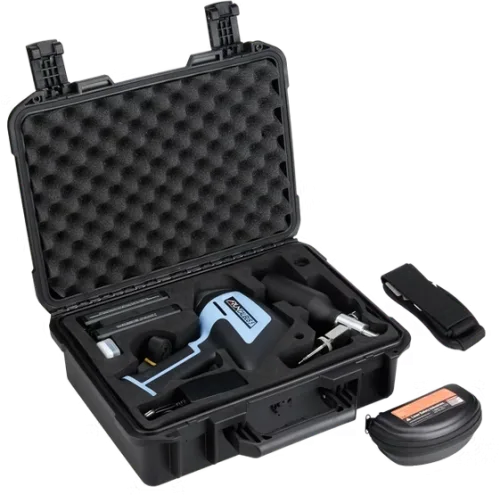
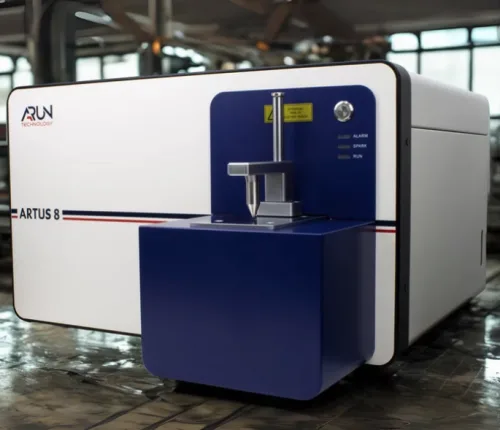
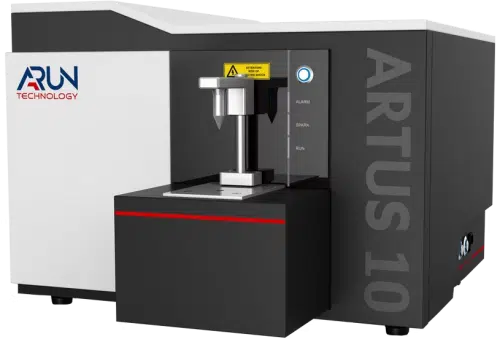
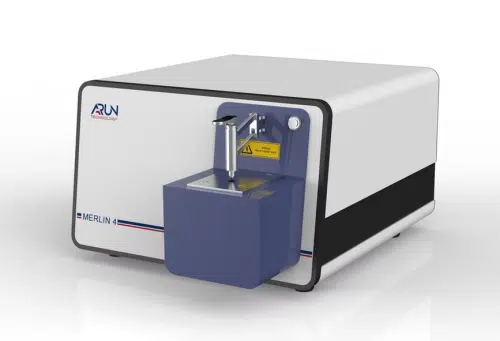
Metal analysers in the RF Sales range
The metal analysis range currently includes:
- CALIBUS: laser-induced breakdown spectroscopy (LIBS) analyser
- ARTUS 8: optical emission spectroscopy (OES) analyser
- ARTUS 10: optical emission spectroscopy (OES) analyser
- MERLIN 4: optical emission spectroscopy (OES) analyser
Specifications, measurable elements and availability differ by model. Contact us to compare them against your alloys and acceptance requirements.
What Is Metal Analysis?
Metal analysis measures the chemical composition of a metal sample. It shows which elements are present and in what concentrations, which supports alloy identification and material verification.
Positive material identification (PMI) uses composition testing to check materials against specified requirements. This differs from hardness testing, which measures resistance to indentation, and from flaw detection, which finds defects.
The common methods are X-ray fluorescence (XRF), optical emission spectroscopy (OES) and laser-induced breakdown spectroscopy (LIBS). Each has different capabilities, preparation needs and limitations. The right choice depends on the elements and alloy grades you need to measure.
| Method | Carbon measurement | Effect on the sample | Points to check |
|---|---|---|---|
| XRF | Handheld XRF cannot measure carbon | Does not leave a burn mark | Light-element performance and grade coverage for your alloys |
| OES | Suited to applications that need carbon results | Leaves a small burn mark on the surface | Surface preparation and access to the component |
| LIBS | Depends on the instrument | Affects a small area of the surface | Carbon capability and detection limits of the specific model |
Always confirm capabilities for the specific model before you buy.
Applications of Metal Analysis in Industry
Metal analysis supports material checks across manufacturing, fabrication and maintenance. Common applications include:
- Incoming material verification:check supplied metals against the specified alloy composition before processing.
- Manufacturing quality control:assess material chemistry during production and check finished components.
- Fabrication checks:confirm alloy grades before materials go into assemblies or equipment.
- Maintenance inspections:identify materials in existing components and check replacement parts.
- Scrap metal sorting:separate alloys into suitable recycling streams.
- PMI programs:verify the composition of piping, valves, pressure equipment and other industrial components.
Composition testing answers a different question from other NDT methods. It does not replace the methods used to assess cracks, internal discontinuities or remaining wall thickness. Hardness is also checked separately, using hardness testing equipment.
How to Choose a Metal Analyser for Your Application
Choose equipment around the information your inspection needs to produce. An analyser suited to routine alloy sorting may not meet detailed composition requirements. Compare options on these points:
- Materials:the metals and alloy grades you test.
- Required elements:the elements that decide acceptance, including carbon where relevant.
- Measurement capability:detection limits and performance across your required concentration ranges.
- Sample conditions:coatings, oxidation, contamination and surface preparation.
- Component access:the size, shape and location of the parts being tested.
- Testing volume:how many samples you expect to check in a typical shift.
- Data records:sample identification, result storage and reporting requirements.
- Operating needs:training, instrument checks, consumables and maintenance.
Carbon is often the deciding factor when separating certain steel grades. If your acceptance criteria include carbon, choose an instrument that measures it, such as an OES analyser or a LIBS instrument with confirmed carbon capability.
Request a Quote for Metal Analysis Equipment in Australia
RF Sales has supplied Australia’s NDT industry since 1993. Our range covers inspection equipment and testing consumables.
To make your enquiry faster to answer, include:
- the metals and alloy grades you test
- the elements you must measure
- where testing takes place and how you access the components
- your expected testing volume
- any inspection procedures, sample preparation limits or reporting requirements
Call (02) 9545 4433 or complete our enquiry form for product information, pricing and availability.
Metal Analysis Equipment FAQs
Is metal analysis the same as radiographic testing?
No. Metal analysers measure elemental composition. Radiography shows internal features and defects. Both can be used within the same inspection program, depending on its requirements.
Can a metal analyser identify alloy grades?
Suitable analysers compare measured composition with an alloy grade library. Identification depends on the elements measured, the instrument and the condition of the sample. Grades with similar chemistry may need additional measurements to tell apart.
Is metal analysis non-destructive?
It depends on the method. XRF can analyse composition without leaving a burn mark. OES and LIBS affect a small area of the surface during measurement. Surface preparation may also be needed.
Can handheld XRF measure carbon?
No. Handheld XRF cannot measure carbon. Applications that need carbon results require an alternative such as OES or a carbon-capable LIBS instrument. Check the capability of the specific model.
What should I include in a metal analysis equipment enquiry?
Include the metals you test, the elements you must measure, your expected testing volume and how you access components. Add any inspection procedures, sample preparation restrictions and reporting requirements that affect equipment selection.
