
Magnetic Particle Inspection (MPI) Testing Australia
Russell Fraser Sales (RF Sales) supplies magnetic particles, suspensions, contrast paint, cleaners and magnetic yokes for magnetic particle inspection (MPI) testing. The range covers visible and fluorescent methods, oil-based and water-based carriers, and powder, pre-mixed and aerosol formats.
Our own CrackTest® consumables are manufactured in Australia and held at our Sydney warehouse, alongside Magnaflux and CircleSafe products. RF Sales has supplied NDT and inspection equipment to Australian industry since 1993.


What Is MPI Testing?
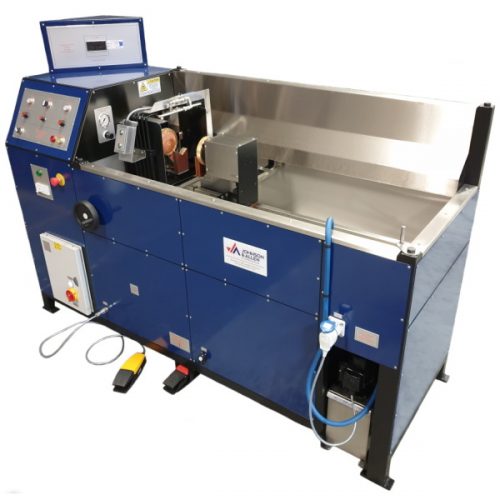
Magnetic particle inspection is a non-destructive method for finding surface and near-surface cracks, laps and seams in ferromagnetic materials such as steel and iron. The part is magnetised and magnetic particles are applied. The particles gather at any leakage field caused by a defect and form a visible indication.
MPI is not suitable for non-magnetic materials such as aluminium, brass or austenitic (300-series) stainless steel. Dye penetrant inspection (DPI) is the usual alternative for those.
MPI Products We Supply
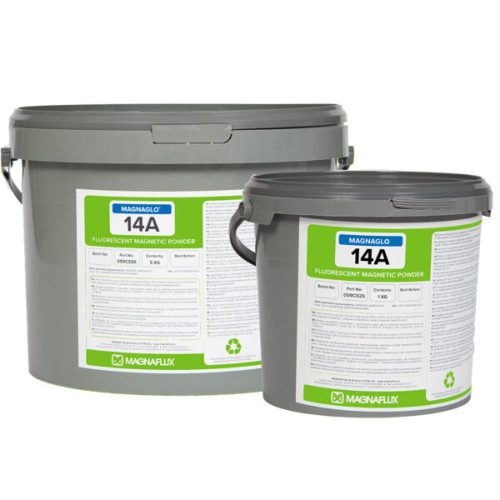
Fluorescent magnetic particle powder
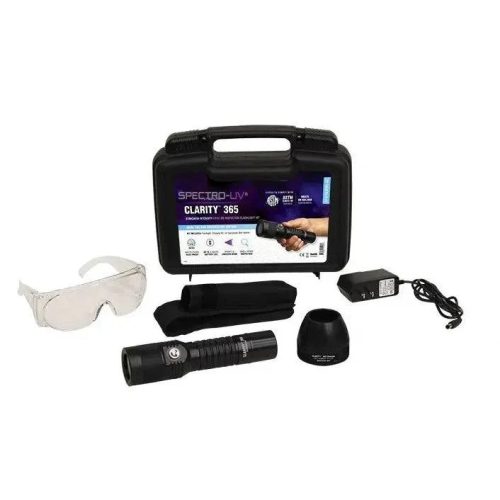
Fluorescent particles supplied as a powder, mixed into an oil or water carrier at the concentration your procedure specifies. Indications are viewed under a UV-A lamp in low ambient light.
Fluorescent magnetic particle pre-mix
Ready-mixed fluorescent suspension with no mixing on site. Suits topping up wet horizontal bench units and workshops that want consistent product from the container.
Non-fluorescent (coloured) magnetic particles
Black, red and other visible-colour particles for inspection under white light. Typically paired with white contrast background paint on dark steel.
Oil-based magnetic particles
Particles suspended in a petroleum carrier. Oil-based suspensions suit parts where water could cause corrosion. The carrier is flammable, so store and use it as the SDS directs.
Water-based magnetic particles
Particles suspended in a water carrier. Water-based suspensions have a lower fire risk than petroleum carriers and suit larger bench tanks. Rinse and dry parts after testing to prevent corrosion.
Oil-based magnetic particle suspension aerosol
Ready to use from the can. Suits field inspection, weld checks, spot testing and low-volume workshop use.
Water-based magnetic particle fluid for the non-fluorescent visible wet method
Ready-to-use fluid for visible wet-method testing on bench units, viewed under white light.
Petroleum suspension vehicle
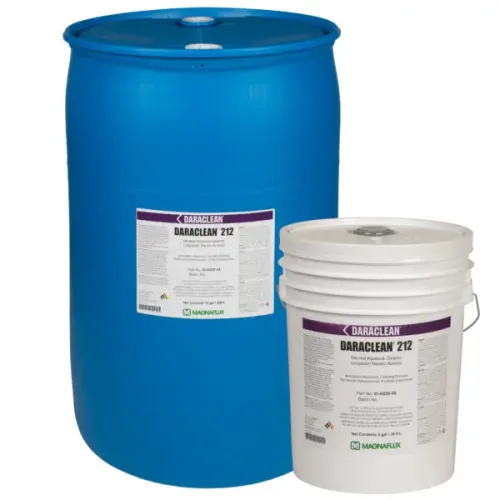
Petroleum carrier for NDT use. Mix it with particle powder or concentrate to make a wet-method suspension for bench units.
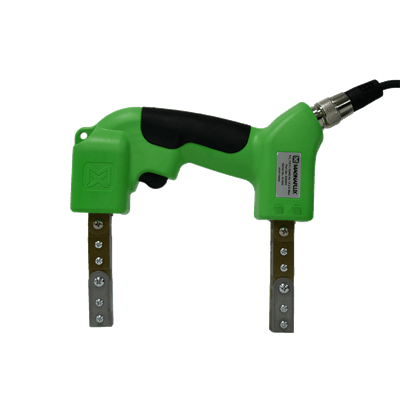
Magnetic yokes
Portable equipment that magnetises the part between its legs. Yokes suit weld inspection, localised checks and field work where a bench unit is not practical. Ask us about the yoke that suits your inspection procedure.
Contrast paint, cleaners and applicators
- White contrast background paintfast-drying paint that improves indication visibility on dark steel during visible light inspection.
- CTC-1 cleaner (aerosol and bulk)prepares surfaces before testing and removes background paint afterwards.
- Carrier solvent and water displacing fluidfor bench units and wet-method testing.
- Aerosol can gunapplication tool for aerosol products.
Inks and bulk products are supplied from 1L concentrate through to 5L and 20L containers.
Choosing the Right MPI Product
- By methodVisible inspection pairs black or red particles with white contrast paint. Fluorescent inspection needs fluorescent particles and a UV-A lamp.
- By carrierOil-based suspensions suit parts sensitive to water. Water-based suspensions suit larger tanks where fire risk matters. Confirm which carrier your procedure permits.
- By formatPowder gives you control over concentration. Pre-mix removes the mixing step. Aerosols suit field work and spot checks. Bulk 5L and 20L containers suit bench units and production testing.
- By brandCrackTest® is formulated for common wet and dry method procedures. Magnaflux and CircleSafe are stocked for jobs where a specification names the brand.
Working to a Standard
MPI is typically carried out to a recognised procedure such as ASTM E709, ASTM E1444/E1444M or ISO 9934-1 (or ASTM E3024/E3024M for general industrial work), or to a project-specific written procedure.
If a standard governs your work, check that the product and any brand substitution are acceptable under that procedure before using. Our team can help you confirm this.
Handling and Freight of MPI Consumables
Aerosol products in this range are classified as dangerous goods for freight (Class 2.1, flammable gas). Bulk liquids may carry a different classification, and oil-based carriers are flammable. Check the SDS for handling, storage and transport requirements.
MPI vs DPI
MPI is used on ferromagnetic materials and finds surface and near-surface defects. DPI (dye penetrant inspection) uses penetrant, removers and developers to find surface-breaking defects on non-porous materials. It does not need the material to be magnetic.
MPI is the usual choice for steel and iron. DPI is the usual choice for non-magnetic materials.
Quote for MPI Products in Australia
Need MPI consumables or magnetic yokes, and MPI testing in Australia? Contact RF Sales for product details, availability and a quote.
FAQs
What is MPI testing used for?
MPI detects surface and near-surface defects in ferromagnetic materials. It is commonly used for weld inspection, fabrication checks, castings, forgings, machine parts and maintenance work.
What materials can MPI be used on?
Steel, iron, and some nickel and cobalt alloys. It is not suitable for aluminium, copper, brass or many stainless steels. Dye penetrant testing is the alternative for those materials.
What products do I need for magnetic particle inspection?
You need magnetising equipment such as a yoke or bench unit, magnetic particles, surface preparation products and inspection accessories. Depending on the method, that includes contrast paint, cleaners, a carrier and a UV-A lamp.
Should I use visible or fluorescent particles?
Visible particles under white light are usually enough for general workshop and field inspection. Fluorescent particles under UV-A light give higher-contrast indications and are often specified for critical components. Check your procedure.
Do I need a UV-A lamp for fluorescent inspection?
Yes. Fluorescent particles need a suitable UV-A lamp and a darkened or low-ambient-light area.
Should I choose oil-based or water-based particles?
Oil-based suits parts where water could cause corrosion. Water-based has a lower fire risk and suits larger bench tanks. Your procedure or client specification may decide it for you.
What is the difference between powder, pre-mix and aerosol?
Powder is mixed into a carrier on site. Pre-mix arrives ready to use in bulk. Aerosol suits field work and spot checks. Bulk 5L and 20L containers suit bench units and production testing.
When do I use a magnetic yoke?
A yoke suits weld inspection, localised checks and site work where a bench unit is not practical.
Can CrackTest® be substituted for Magnaflux or other brands?
In many cases, yes, but check your governing procedure or client specification first. Some jobs call for a named brand or a specific approval. Contact us to confirm.
Are these products dangerous goods for freight?
Aerosol MPI consumables are Class 2.1 (flammable gas). Bulk liquids may carry a different classification. Check the SDS before shipping.
